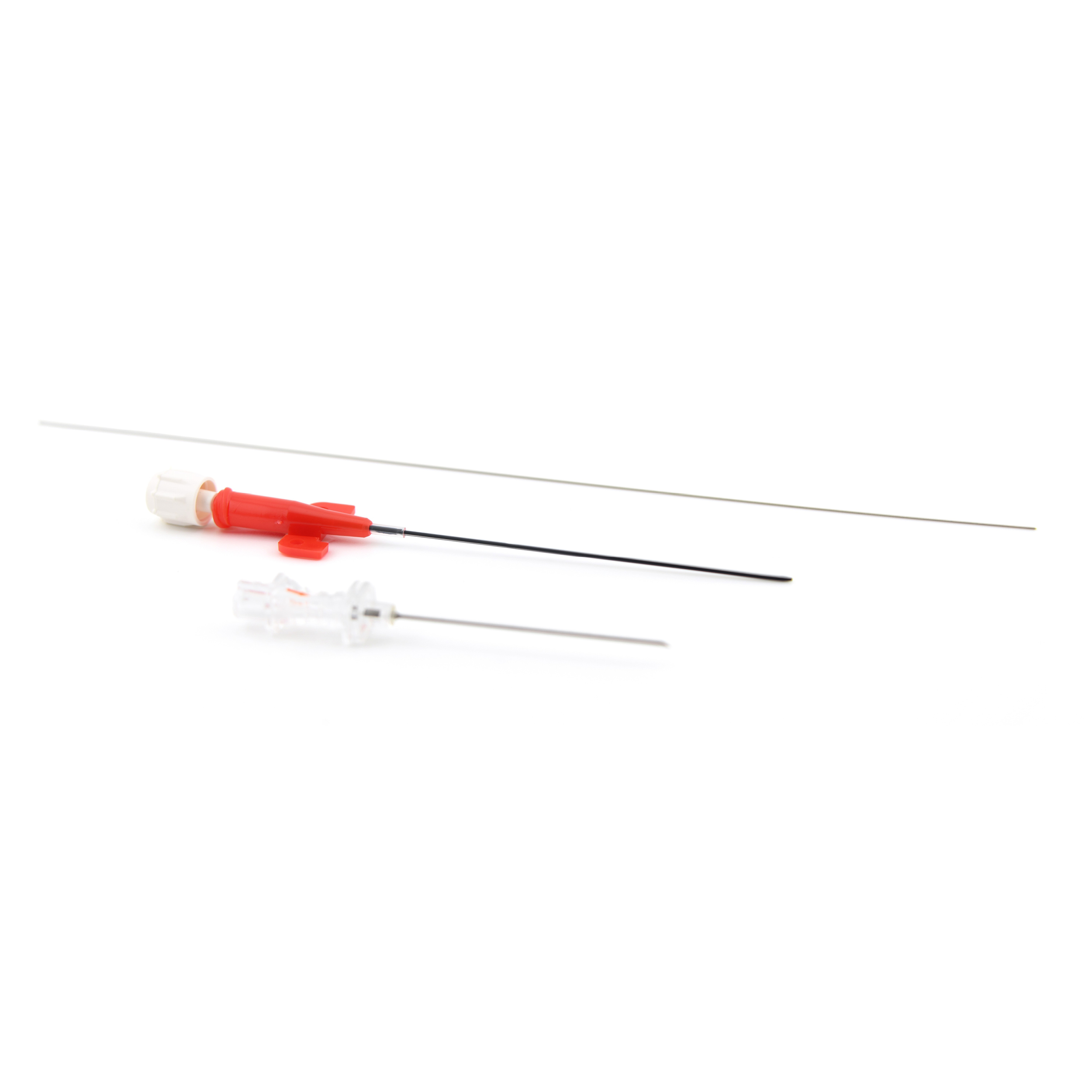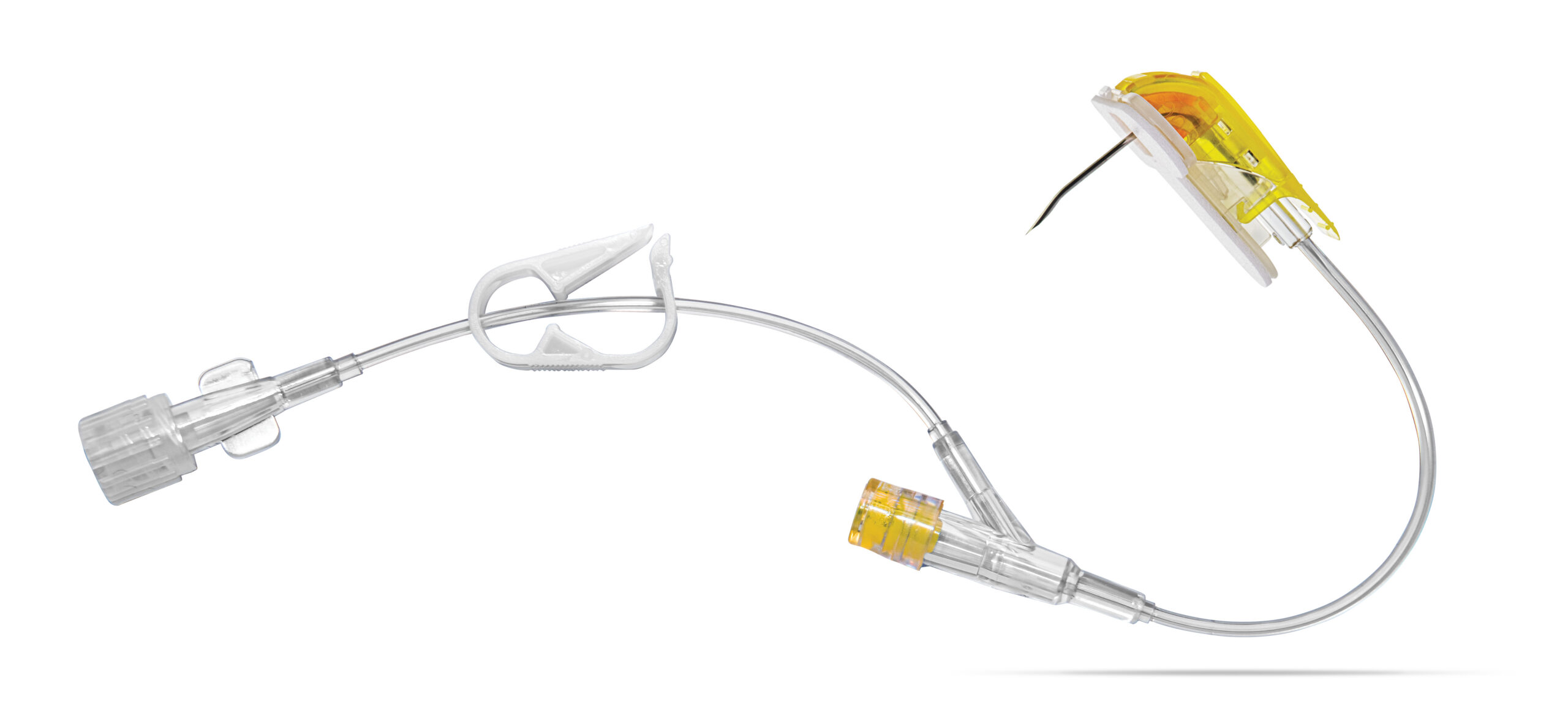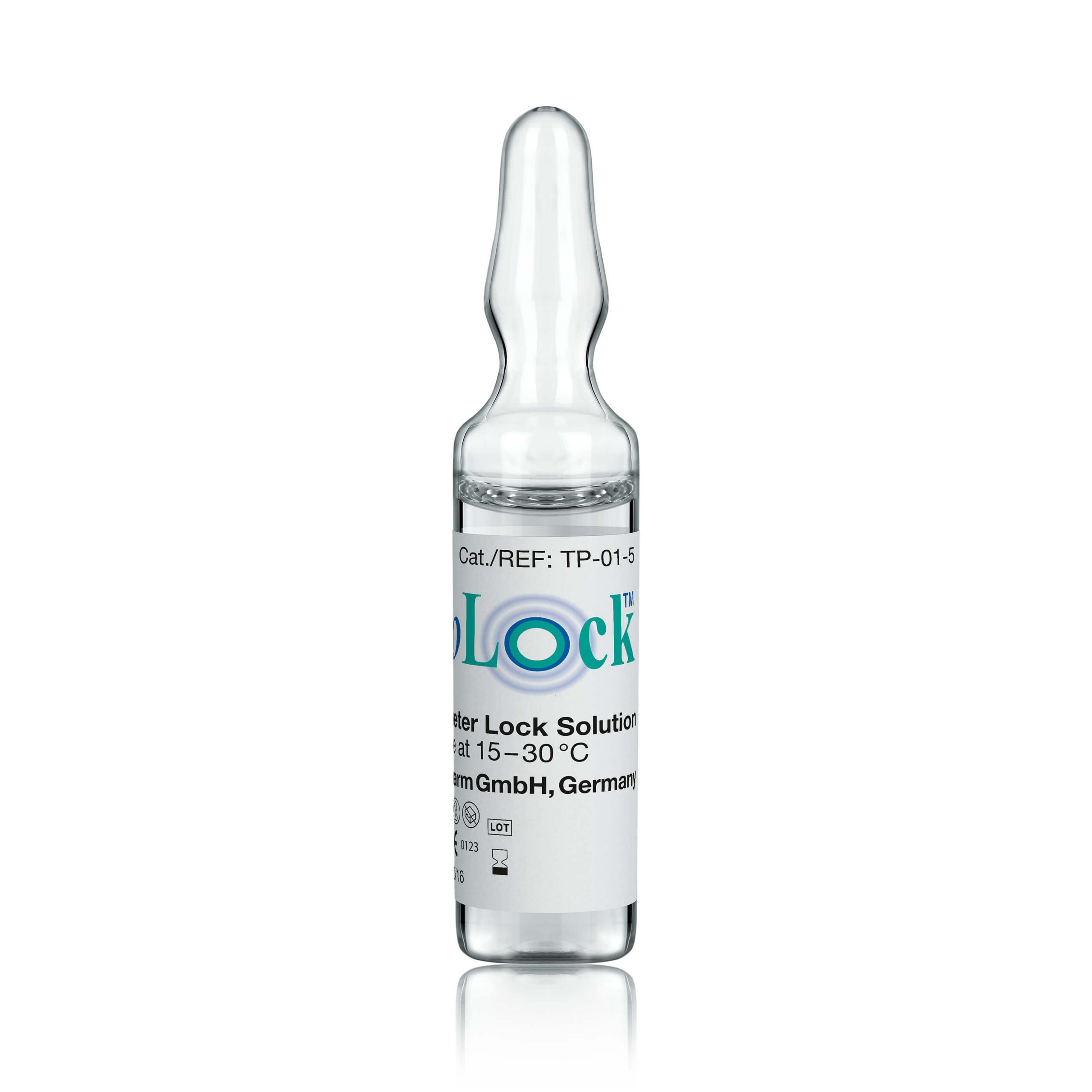
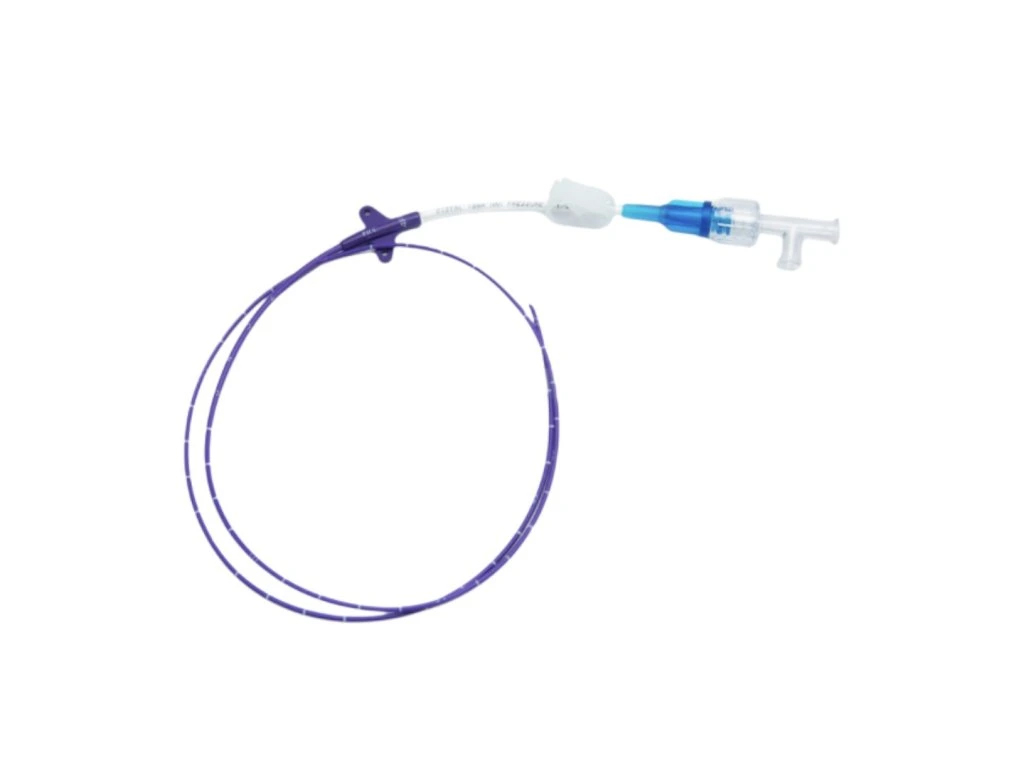
Designed to provide medium- to long-term central venous access for the administration of fluids and medications and for blood sampling.
Designed in collaboration with cardiologists to solve the most common challenges in radial hemostasis.
Pressure resistant and indicated for power injection up to 300 psi.
Supplied with MST (KOD) kit as standard for efficient PICC insertion.
Competitively priced against similar PICCs in the market.
The Kimal® range of PICCs are designed to be used to administer fluids, antibiotics, chemotherapy, parenteral nutrition, pain management drugs, and for blood sampling. All Kimal PICClines are pressure resistant and are indicated for power injection up to 300 psi, and are supplied with an MST (KOD) kit as standard.
Speak to our team for more information, product details or support with your enquiry.
| Sterility | EO sterile |
| Legal Manufacturer | Kimal PLC |
| Country of Origin | UK |
| Shelf Life/Expiry | 3 years |
| Customisation | Non-customisable |
| Regulatory Status | CE Marked |
| Lumens | 1-3 lumens |
There is no information to display.

Kimal offer an extensive selection of products for cardiology, radiology and surgical procedures, manufactured to the highest standard and customised to your requirements. For customisation requirements please speak to your local KIMAL Representative.