Scissors

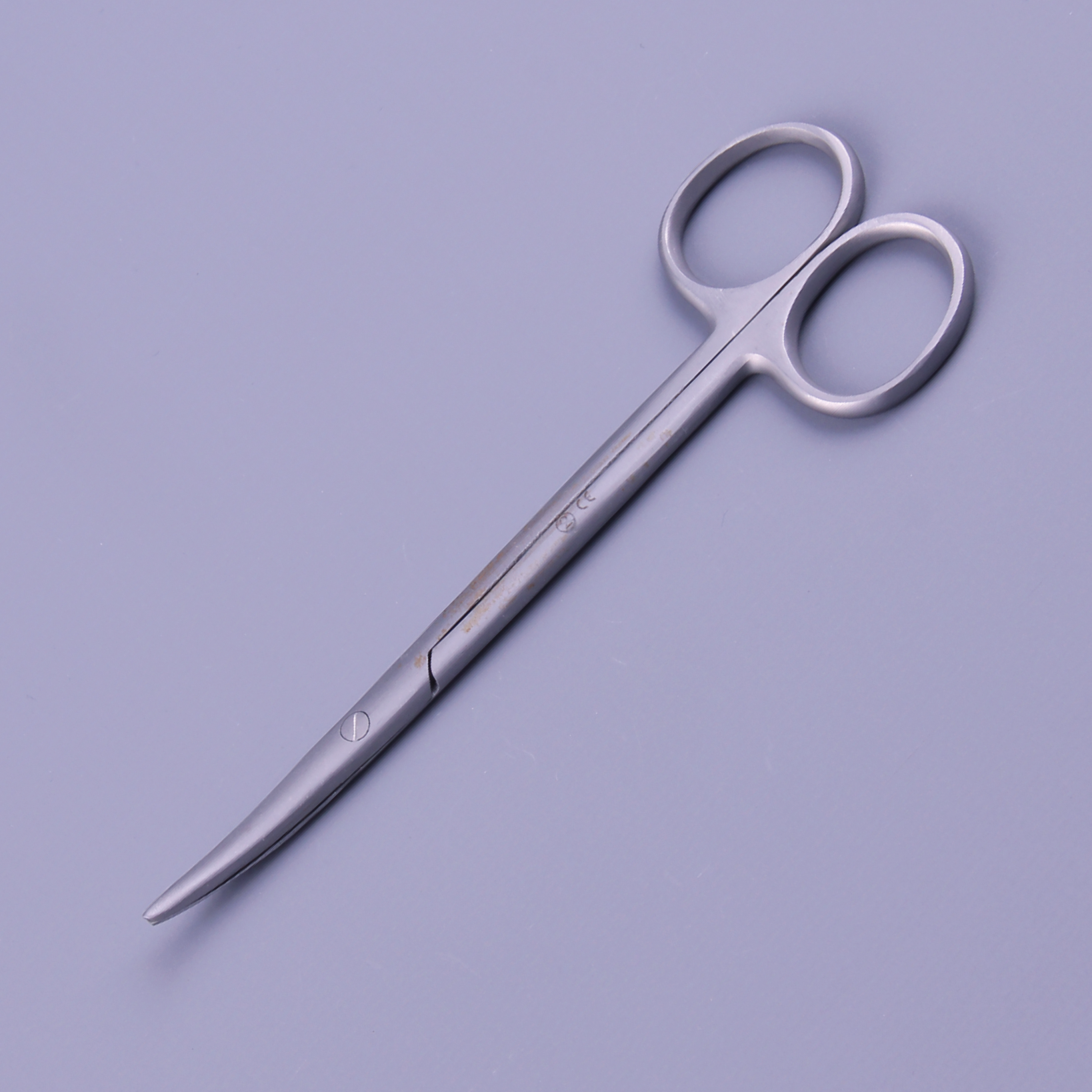
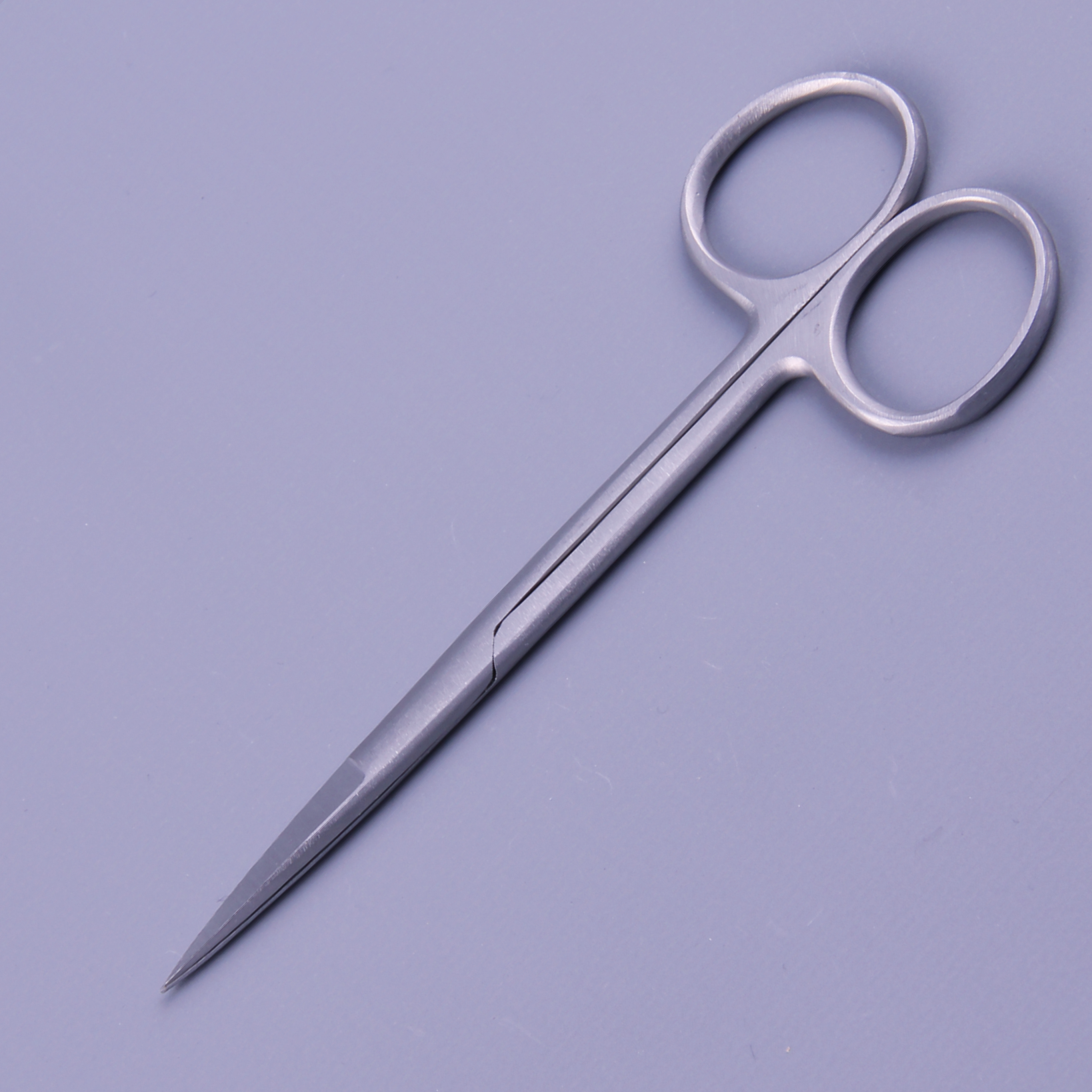
Medical scissors are specialized instruments designed for clinical precision, patient safety, and infection control.

Key Features & Clinical Benefits

Designed in collaboration with cardiologists to solve the most common challenges in radial hemostasis.

Surgical Scissors

Used in operating rooms for precise cutting and dissecting of soft biological tissues. They are available in straight or curved profiles with varying degrees of sharpness.

Product Overview

Kimal medical scissors are crafted from high-grade, corrosion-resistant stainless steel and are heavily distinguished by specific shapes designed to cut bandages, clothing, and tissue without injuring the patient.

Clinical Applications

  • Cardiology
  • Radiology
  • General Surgery

Product Highlight

Technical Assets

Technical Assets

Questions about this product?

Speak to our team for more information, product details or support with your enquiry.

Technical Specifications

There is no information to display.
Ordering Information

There is no information to display.

Related Products

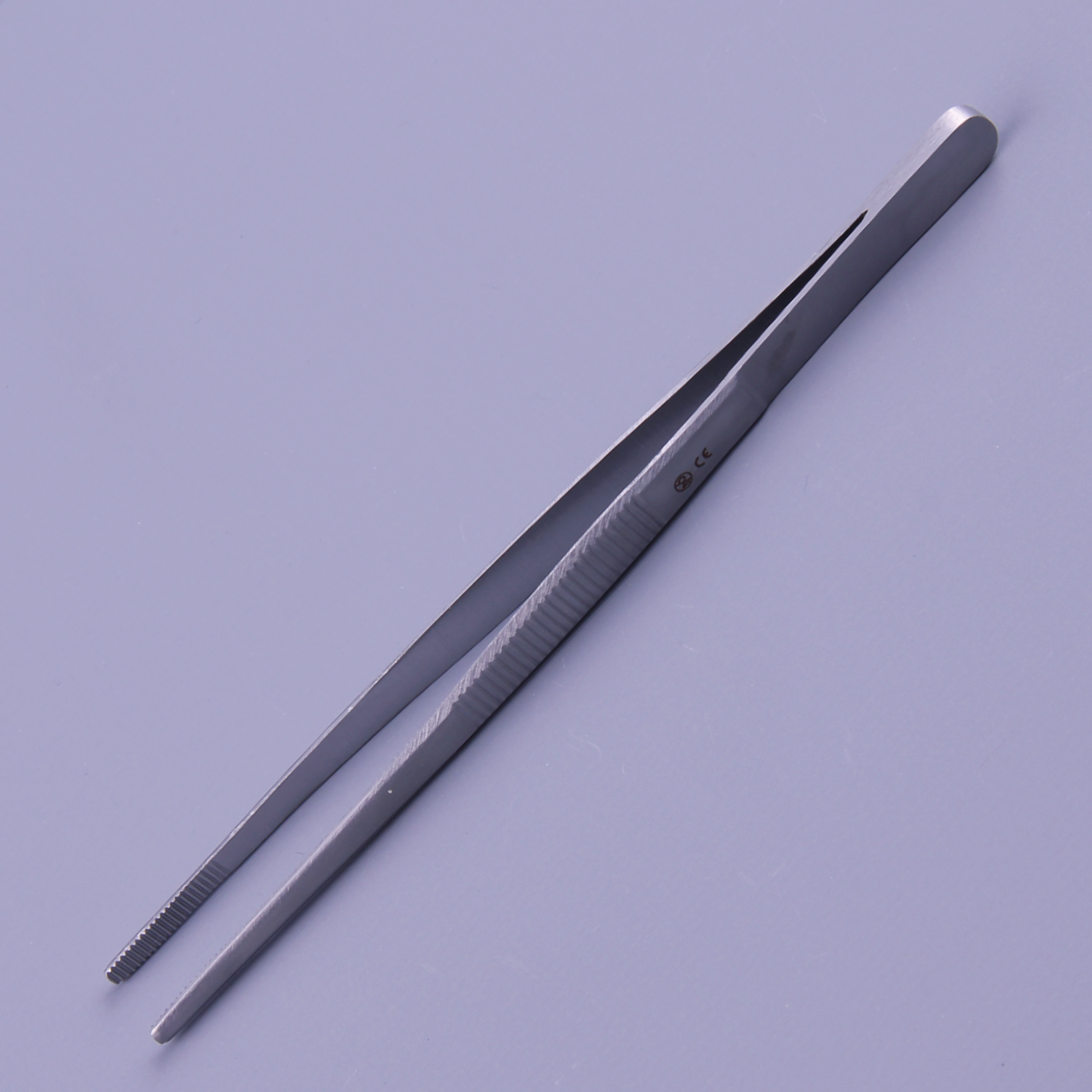
Suitable for use to hold, grasp, and manipulate delicate tissues, delicate membranes, and dressing materials.
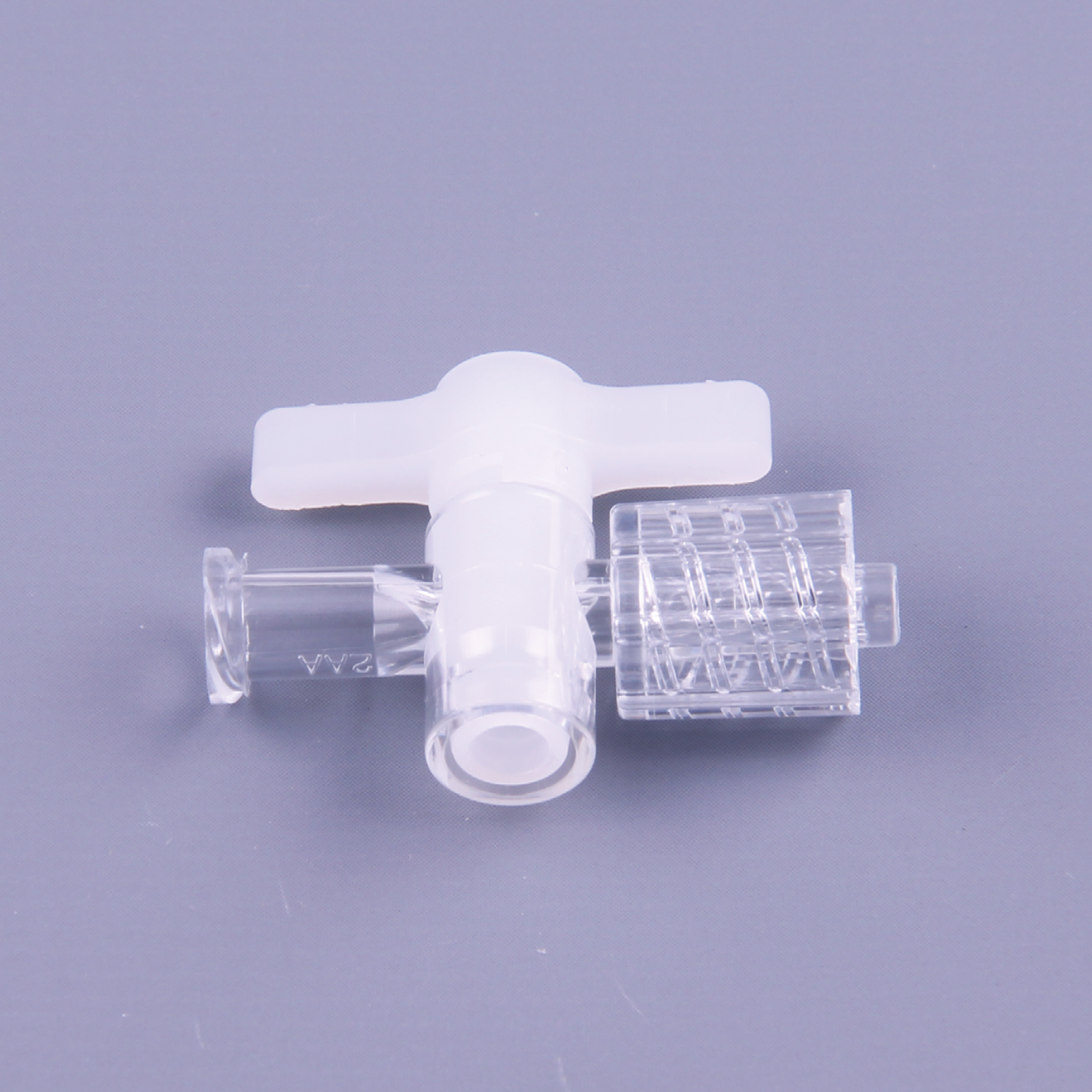
Our medical-grade stopcocks offer clinicians a modular, leak-proof solution to redirect fluid pathways, isolate pressure lines, or introduce medication providing total control over the fluid circuit with a simple, confident turn.
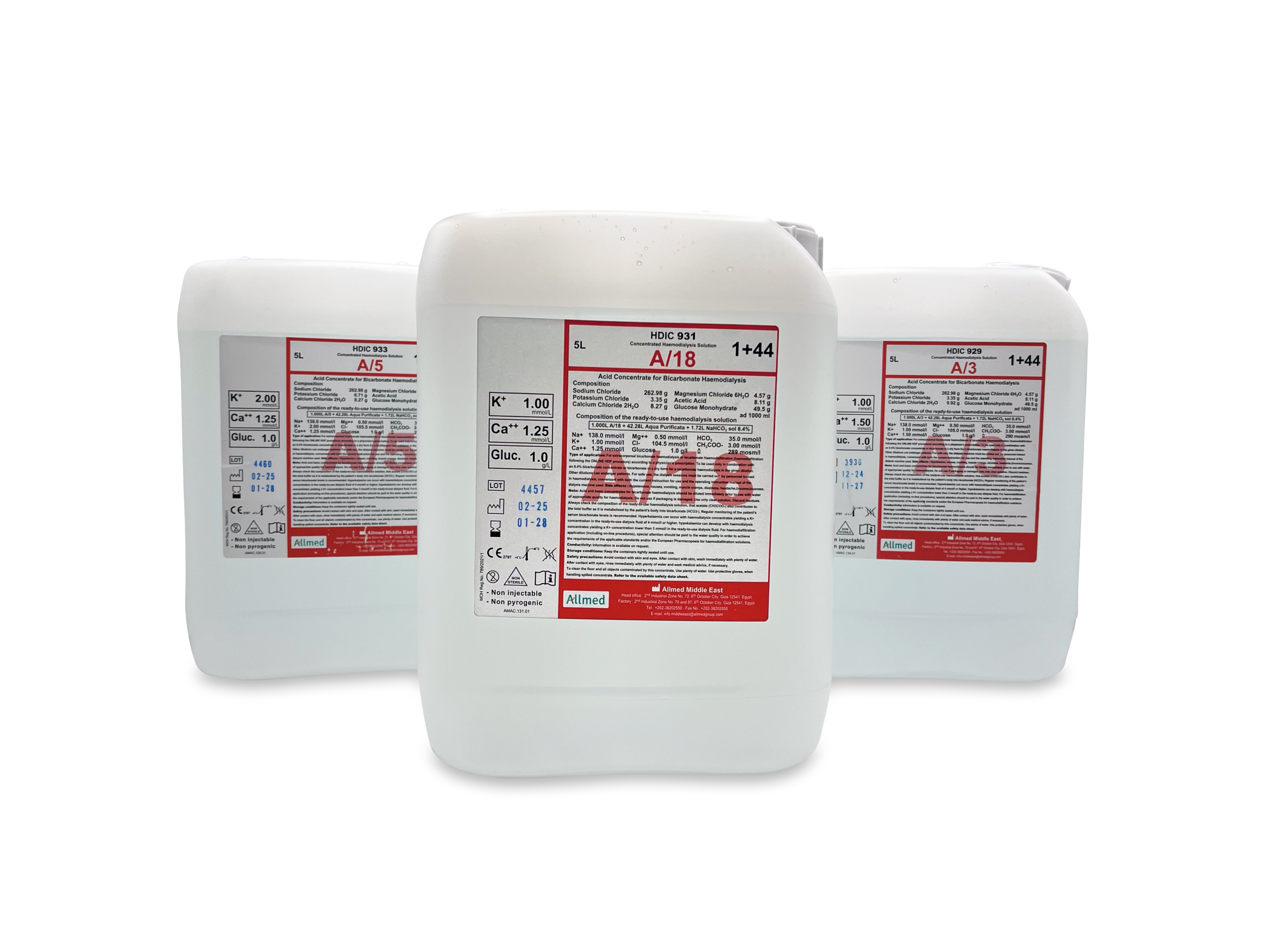
Canisters of acid concentrate with acetate pharmacopoeial formulae, developed for the preparation of dialysis fluid during haemodialysis. Manufactured using carefully selected raw materials and controlled processes, the range supports reliable and consistent use within routine renal therapy.
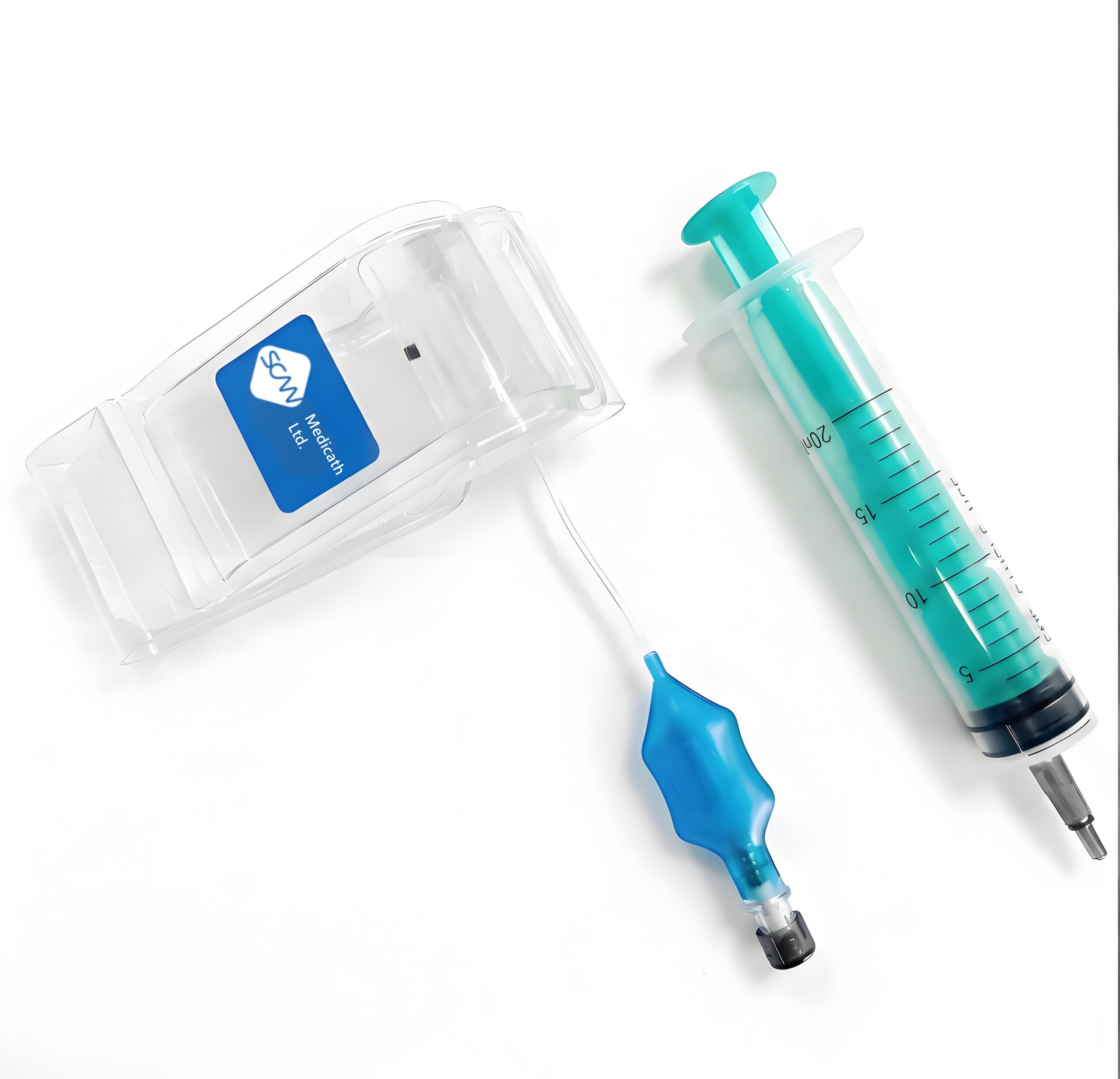
Kimal Radial Compression Band is intended for use following transradial artery access procedures to support controlled haemostasis at the wrist puncture site. The device is designed to apply adjustable, localized pressure to assist in achieving haemostasis while supporting arterial patency. The radial compression band is used as part of standard post-procedural care to help manage bleeding at the access site and to support the reduction of procedure-related complications.